
Mazda Electric and Hybrid Vehicle FAQs
Understanding Your Electrified Options
Electrified vehicles have become one of the most common topics our sales team fields at Tuscaloosa Mazda, and for good reason. Between fully electric vehicles, hybrids, and plug-in hybrids, there's more to sort through than ever before. This page answers the questions we hear most often and explains where Mazda's current lineup fits into the picture.
What Kinds of Electrified Vehicles Are Available?
Electrified vehicles generally fall into a few categories. Traditional hybrids pair a gas engine with a battery and electric motor to improve fuel economy without ever needing to be plugged in. Plug-in hybrids, or PHEVs, add a larger battery that can be charged from an outlet and driven on electric power alone for a limited range before the gas engine takes over. Fully electric vehicles, or BEVs, run entirely on battery power with no gas engine at all.
Where Does Mazda's Current Lineup Fit In?
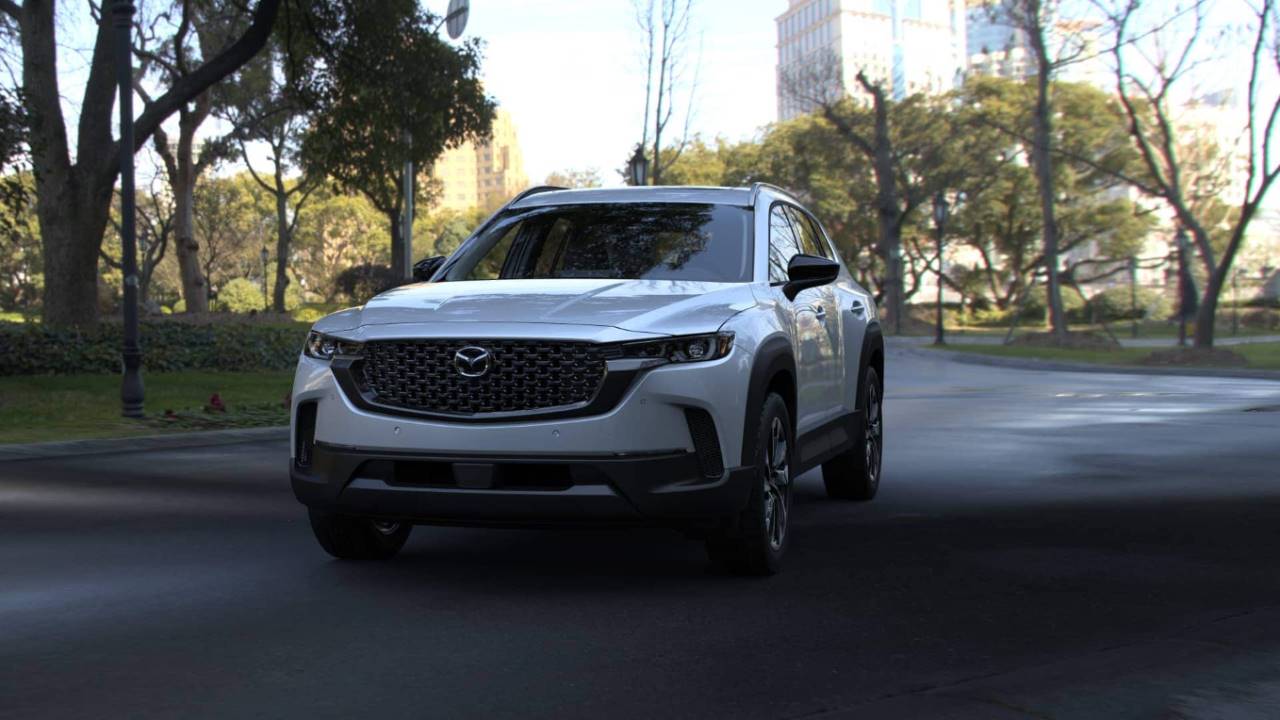
Today, Mazda's electrified lineup in the United States centers on hybrids and plug-in hybrids rather than a fully electric model. The CX-90 Plug-In Hybrid and CX-70 Plug-In Hybrid both offer meaningful all-electric range for daily errands and short commutes, with a gas engine available for longer trips, so you get flexibility without range anxiety. Several CX-50 configurations are also available as a standard hybrid. If you're specifically comparing these models, our Mazda research hub is a good place to see full specs side by side.
Exact all-electric range for the CX-90 PHEV depends on driving conditions and habits, but it's designed to handle most short daily trips, like school drop-off or a commute across town, entirely on electric power before the gas engine engages. Our sales team can walk you through the current EPA-estimated figures for the specific trim you're considering, along with how that range translates to real-world savings for your particular routine.
Is Range Anxiety Still a Valid Concern?
Range anxiety is less of an issue than it used to be, especially with plug-in hybrids like the CX-90 PHEV and CX-70 PHEV, which combine a solid all-electric range with the backup of a gasoline engine once the battery is depleted. That combination is exactly why many shoppers who aren't ready to commit to a full battery-electric vehicle choose a PHEV instead. It offers electric-only driving for most short trips while still allowing a quick gas fill-up and a full tank of range for a road trip.

How Long Does It Take to Charge a Plug-In Hybrid?
Charging times depend heavily on the equipment you use. A standard household outlet will fully recharge a PHEV battery overnight in most cases, while a Level 2 240-volt home charger can cut that time down to a few hours. Because PHEV batteries are smaller than those in a fully electric vehicle, they generally charge faster than a full BEV using the same equipment.
How Can I Extend My Hybrid or PHEV Battery's Life?
A few simple habits go a long way toward preserving battery health over time. Take advantage of regenerative braking, which recaptures energy every time you slow down. Avoid letting the battery sit fully depleted for extended periods when possible, and try not to rely exclusively on DC fast charging if you have access to slower home charging, since gentler charging tends to be easier on battery longevity over the long run.
Are Hybrids and PHEVs More Expensive Than Gas-Only Models?
Electrified models typically carry a higher sticker price than their gas-only counterparts, largely due to battery and motor costs. That said, the gap has narrowed considerably as the technology has matured, and fuel savings, along with potential federal or state incentives, can offset a meaningful portion of the difference over time. Check our current national incentives and local Mazda specials to see what applies right now, and talk with our finance team about how those incentives factor into your specific deal.
What Should You Compare When Cross-Shopping a PHEV?
It's tempting to stop at sticker price when comparing a plug-in hybrid to a similar gas-only SUV, but that comparison misses most of the picture. A more useful approach looks at estimated annual fuel costs based on your actual commute, any incentives that currently apply, and how the total cost of ownership evens out over the years you expect to keep the vehicle. In many cases, a PHEV's higher upfront price is offset within a few years once fuel savings are factored in, though the exact math depends heavily on how much of your driving happens on electric power alone.
Our finance team is glad to walk through these numbers side by side for the specific trims you're weighing, since it's typically a far more useful comparison than sticker price alone.
Is Maintenance Different on a Hybrid or PHEV?
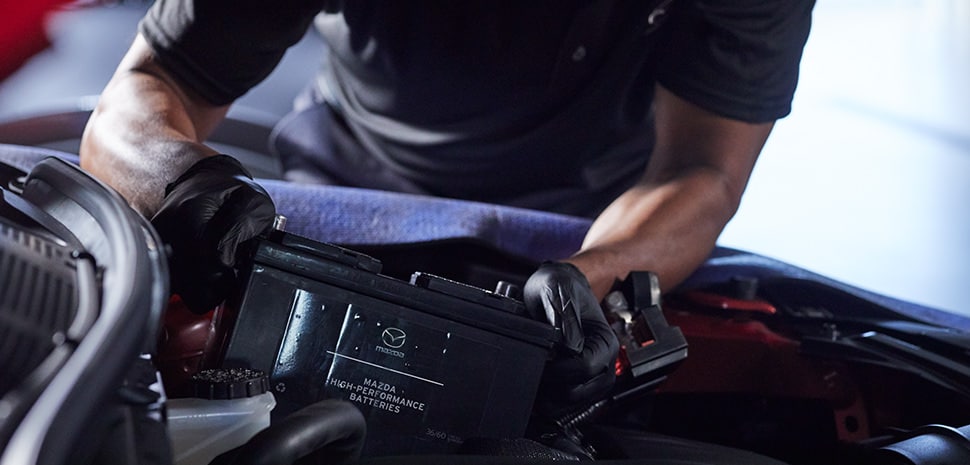
Hybrid and plug-in hybrid systems do require some specialized service knowledge, particularly around the battery pack and electric drive components, but that doesn't mean maintenance becomes complicated for the owner. Our factory-trained technicians are equipped to handle that work, and sticking to Mazda's suggested service schedule for your specific model is really all it takes. In some ways, hybrid and PHEV ownership can mean less routine wear on the gas engine and brakes, since electric assist and regenerative braking both reduce the load those components would otherwise carry.
What Are the Real Benefits of Going Electrified?
Beyond the environmental upside, there are a handful of practical reasons drivers are making the switch.
- Lower fuel costs, especially for PHEV owners who can handle most daily driving on electric power alone.
- Reduced routine maintenance, since electric motors have fewer moving parts than a traditional engine and hybrid systems ease wear on the gas engine.
- Quieter, smoother acceleration thanks to instant electric motor torque.
- Lower tailpipe emissions and reduced noise pollution, particularly when driving in electric-only mode.
- Flexibility to choose electric-only driving for short trips while keeping the range and convenience of a gas engine for longer ones.
Hybrid vs. Plug-In Hybrid: Which One Fits Your Driving Habits?
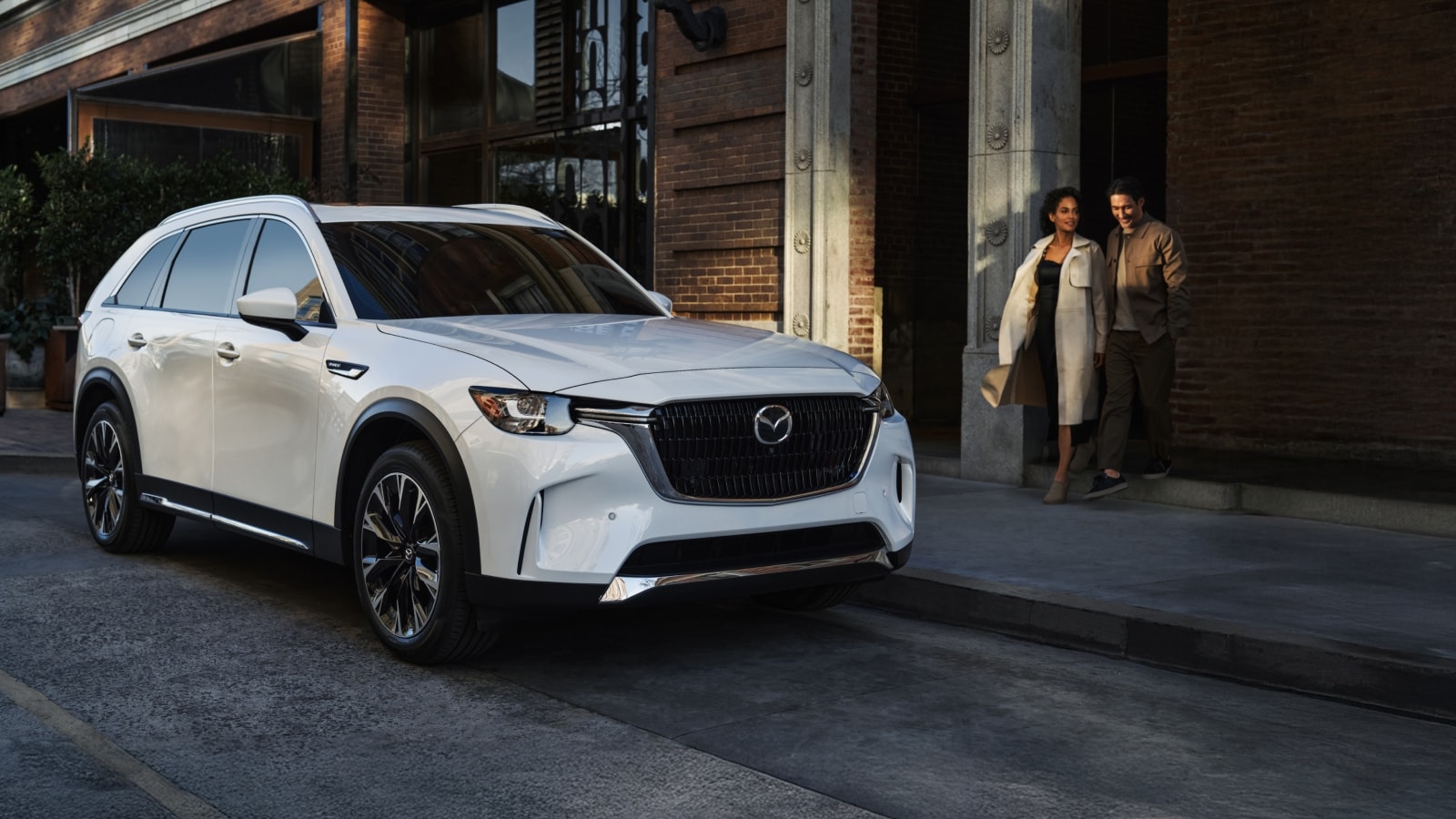
Choosing between a standard hybrid and a plug-in hybrid usually comes down to your daily driving pattern rather than a simple better-or-worse comparison. A standard hybrid like a hybrid-equipped CX-50 makes sense if you don't have easy access to home charging or if most of your driving happens on longer highway trips where the battery contributes less overall. A plug-in hybrid like the CX-90 PHEV or CX-70 PHEV makes more sense if you have a predictable short commute and access to charging at home or work, since you can realistically handle most days on electric power alone while still keeping the flexibility of a gas engine for weekend trips.
There's no wrong answer here. Both approaches reduce fuel costs and emissions compared to a gas-only vehicle, and our sales team can walk through your specific commute and driving habits to help you decide which one actually saves you more in practice.
Research New Electrified Mazda Models
If you're ready to compare specs and trims directly, our team can walk you through the differences between the CX-90 PHEV, CX-70 PHEV, and CX-50 Hybrid in person. You can also start browsing our current new inventory to see what electrified models are on the lot right now, or explore our broader lineup with our used Mazda models guide if a pre-owned option makes more sense for your budget.
Why Buy an Electrified Mazda from Tuscaloosa Mazda
Our sales team stays current on Mazda's electrified technology and can help you decide whether a hybrid, plug-in hybrid, or traditional gas model fits your driving habits and budget best. Once you've made a decision, our finance team can walk you through available incentives, and our service department is equipped to handle the specialized maintenance that hybrid and PHEV systems require. Learn more about what sets us apart on our Why Buy page, or reach out through our contact page with any specific questions. We work with drivers across Tuscaloosa, Birmingham, and the rest of West and Central Alabama, and we'd rather spend a few extra minutes making sure you land on the right vehicle than rush you into one that doesn't actually fit your routine.
