
2026 MAZDA3 HATCHBACK MAINTENANCE SCHEDULE
7,500 miles is the standard oil change and tire rotation interval for the 2026 Mazda3 Hatchback. This timeline applies to both the naturally aspirated and turbocharged engines under normal driving conditions. Review the required service milestones below before scheduling your certified Mazda maintenance appointment.
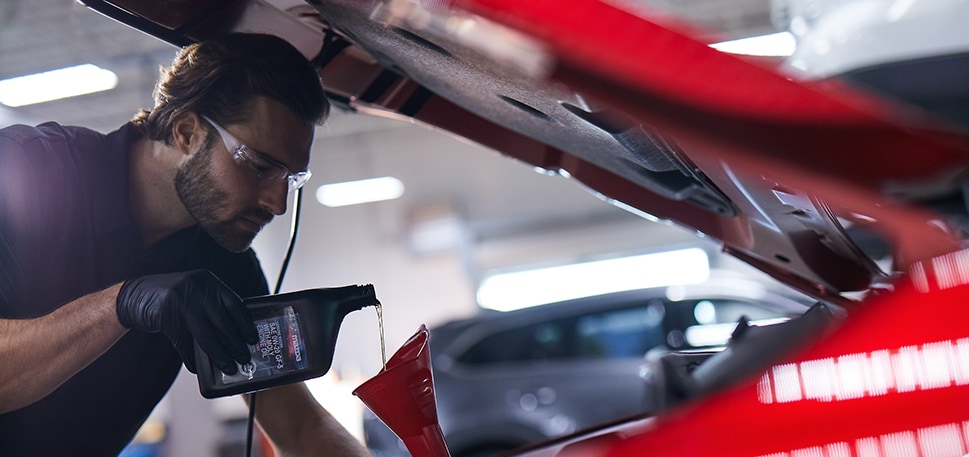
Routine Oil and Fluid Upkeep
The SKYACTIV-G 2.5-liter engine requires 0W-20 synthetic oil. Using this specific low-viscosity oil ensures the engine components remain properly lubricated during cold morning starts in Tuscaloosa. This highly engineered fluid directly maximizes long-term reliability and protects internal engine parts from premature wear. Neglecting this basic fluid exchange forces the engine to work harder, which actively decreases your daily fuel efficiency.
Comprehensive Mileage Milestones
Routine maintenance extends far beyond basic oil changes. Following the exact manufacturer intervals guarantees your vehicle operates at peak performance year after year. For a complete overview of the engineering systems and exact trim levels that require this routine upkeep, explore our comprehensive 2026 Mazda3 Hatchback model review.
| Mileage Interval | Required Maintenance Action |
|---|---|
| 7,500 Miles | Replace engine oil and filter, rotate tires. |
| 15,000 Miles | Inspect brake lines, replace cabin air filter. |
| 30,000 Miles | Inspect suspension components and drive belts, replace engine air filter. |
| 40,000 Miles | Replace spark plugs (2.5L Turbo engine only). |
Long-Term Ownership Strategy
As your vehicle ages, larger service intervals will eventually require transmission fluid inspections and engine coolant flushes. When your vehicle approaches the critical 60,000-mile major service interval, it is an excellent time to appraise your current Mazda trade-in value. Many local drivers find that leveraging their vehicle's equity into a brand-new model is a highly cost-effective alternative to paying for long-term wear items like brake pads and aging tires.
To guarantee your vehicle has no outstanding manufacturer updates over the course of its life, always check the official NHTSA recall database.
